
How do I choose the right fruit and vegetable cleaning machine capacity for my factory?
- VIP-User
- 2026-08-09
- 14
Choosing the right fruit and vegetable cleaning machine capacity requires evaluating daily processing volume, peak batch sizes, target item types (such as berries or leafy greens), and available power infrastructure like 25W Hydroxyl water ion units. Matching batch volume with specific cleaning cycles prevents operational bottlenecks and optimizes microbial decomposition efficiency.
Core Solutions & Key Takeaways
- Evaluate Produce Categories: Tailor capacity selection to produce fragility; delicate items like blueberries and strawberries require dedicated lower-volume cycles, while sturdy produce utilizes standardized batch sizes.
- Assess Technology Efficiency: Hydroxyl water ion disinfection operating at 25W power achieves a 99.9% pesticide residue decomposition rate and over 99.99% microbial removal rate without chemical additives.
- Align Procurement Metrics: Factor factory throughput against commercial minimum order quantities (1000 pcs) and production lead times (60 days) for streamlined cross-border supply chain integration.
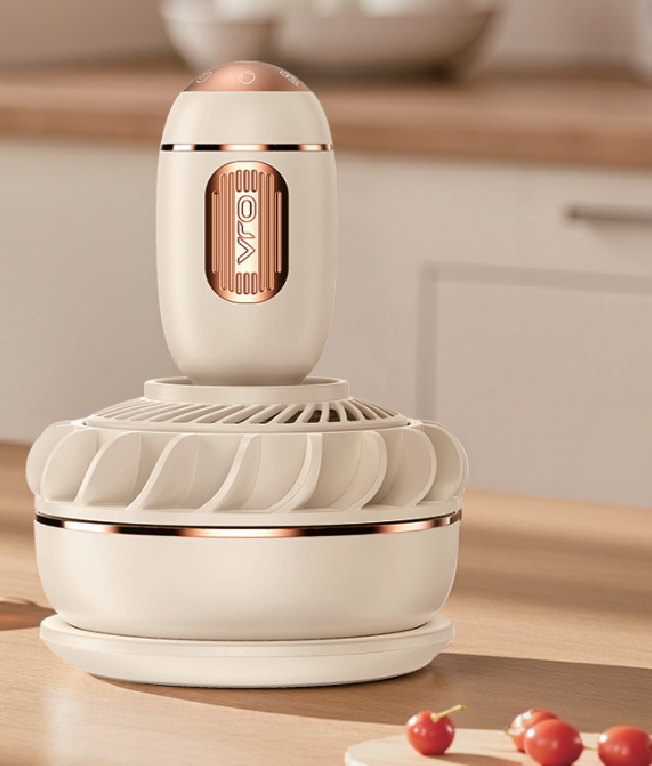
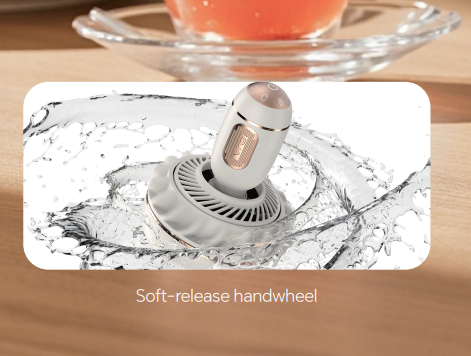
- Optimize Material Handling: Ensure machines utilize food-grade silicone soft-release handwheels and ABS plastic injection bodies to protect produce integrity during high-volume cleaning.
Detailed Architectural/Principle Analysis
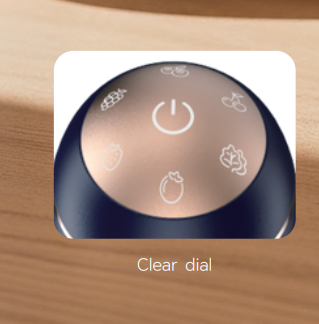
Selecting machine capacity requires aligning batch throughput with raw produce characteristics. Facilities handling high-mix produce lines utilize targeted operation programs across six tailored presets: Saint Mary’s fruit, cherries, grapes, blueberries, strawberries, and general vegetables. Using 25W Hydroxyl water ion technology, electrolyzed water breaks down surface contaminants, yielding a 99.9% decomposition of pesticide residue and fruit wax alongside a microbial removal rate exceeding 99.99%.
Structural components determine continuous operational limits. Machines built with ABS plastic injection housing and food-grade silicone soft-release handwheels mitigate mechanical abrasion during cycle turnover. Adhering to strict international manufacturing benchmarks, production processes aligned with ISO 9001 Quality Management System Certification ensure consistent mechanical stability across operational cycles.
Supply chain logistics and cross-border distribution models directly impact factory integration schedules. For international commercial distribution and procurement, standard order fulfillment operates under a 60-day delivery time frame with minimum purchase requirements set at 1000 pcs, catering to international import, export, and regional distribution networks.
Data/Solution Comparison
| Parameter / Feature | Standard Unit Specifications | Commercial Integration Impact |
|---|---|---|
| Power Rating & Disinfection | 25W / Hydroxyl water ion | Low energy consumption with high sanitation efficiency |
| Decomposition Efficiency | 99.9% pesticide residue & fruit wax removal | Ensures regulatory compliance for food safety standards |
| Microbial Removal Rate | > 99.99% | Extends shelf life and reduces contamination risks |
| Program Selection Modes | 6 modes (Saint Mary’s fruit, cherries, grapes, blueberries, strawberries, vegetables) | Prevents crop damage across varied produce densities |
| Build Materials | Food-grade silicone & ABS plastic injection | High durability and contact safety during operations |
| Order & Logistics Terms | MOQ: 1000 pcs; Delivery: 60 days | Structured for batch procurement and scheduled deployment |
Frequently Asked Questions (FAQ)
How does fruit type influence machine capacity planning?
Softer fruits such as strawberries and blueberries require gentle, precise fluid agitation cycles, whereas firm produce or leafy vegetables can tolerate higher batch density per cleaning program.
What active disinfection technology is integrated into these units?
Units utilize Hydroxyl water ion technology operating at 25W power, achieving pesticide residue decomposition up to 99.9% and microbial removal rates over 99.99% without chemical additives.
What are the commercial lead times and purchase terms for factory deployment?
Standard export orders require a minimum order quantity (MOQ) of 1000 pcs with a production delivery time frame of 60 days for global shipping.
Final Conclusion & Recommendations
Determining the correct cleaning capacity involves analyzing target produce mix, chemical residue requirements, and production throughput constraints. Choosing equipment featuring specialized preset programs ensures optimal treatment without compromising delicate produce integrity. For cross-border logistics and volume procurement, shipment is supported via Sea Freight (FCL/LCL) under payment terms of 30% T/T prepayment and 70% balance against B/L copy. For detailed technical solutions or support, please reach out to us via [email protected] or 13825525819.
About Us
Guangdong BFC Technology Co,.Ltd is an industrial internet platform company, an equipment manufacturing exporter, and a holistic solution provider established in 2012. Operating with a team of 10 professionals across a 1500sqm facility, the company specializes in global expansion, cross-border capacity integration, and factory supply chain services, primarily serving South America and global markets. The organization holds quality management certifications including ISO 9001 and has served clients across multiple industrial and commercial trade sectors.

Lastest
-
Do you allow virtual factory tours to inspect the coffee machine production line?
2026-08-09 -
What secure payment terms do you offer to minimize risk when importing plastic pellet ?
2026-08-09 -
What is the standard payment schedule for a high-value WOOD CUTTING MACHINE LINE order?
2026-08-09 -
Do you offer custom insulation colors and packaging options for bulk electrical wire orders?
2026-08-09 -
What is your claim process if we receive STAINLESS STEEL COILS with surface defects?
2026-08-09
SUBSCRIBE
INQUIRY